

Nuts

Peanut
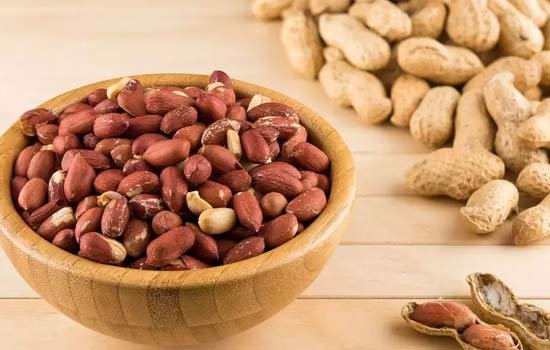
Peanuts, also known as groundnuts, are a type of legume that is widely consumed across the world. Despite being called “nuts,” they are botanically different from tree nuts, as they grow underground. Peanuts have a rich, nutty flavor and are highly versatile in cooking, snacking, and baking.
Different Forms of Peanuts:
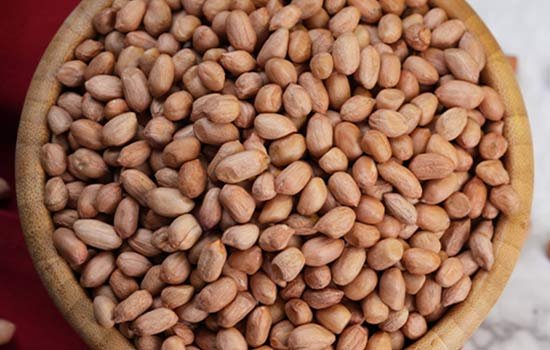
Raw Peanuts
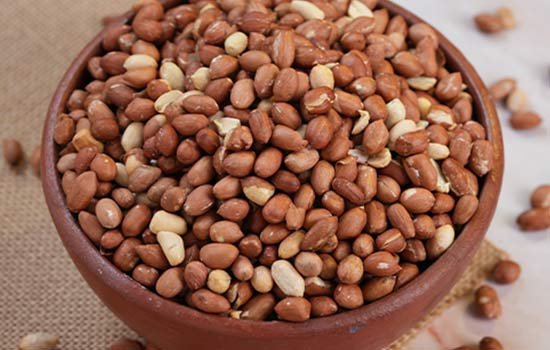
Roasted Peanuts

Peanuts Butter
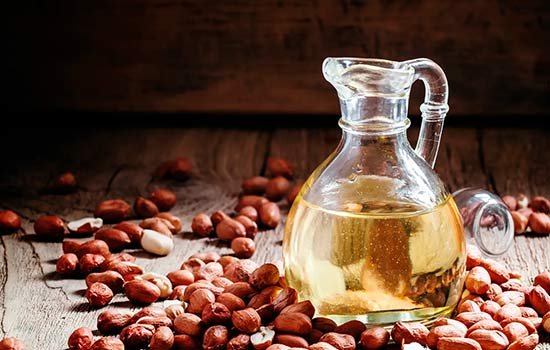
Peanut Oil

Boiled Peanuts
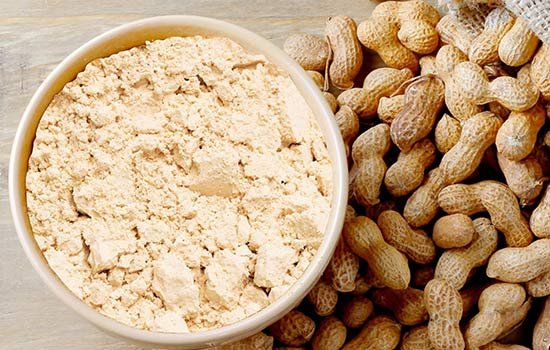
Peanut Flour
Health Benefits
Heart Health: The monounsaturated fats in peanuts can help reduce the risk of heart disease by lowering “bad” cholesterol (LDL) and increasing “good” cholesterol (HDL).
Blood Sugar Regulation: Despite being high in fats, peanuts have a low glycemic index, which helps in controlling blood sugar levels.
Weight Management: Peanuts are calorie-dense and can promote a feeling of fullness, making them useful in controlling hunger and aiding in weight management when eaten in moderation.
Brain Health: The presence of niacin, folate, and antioxidants like vitamin E supports cognitive function and may reduce the risk of age-related memory decline.
Peanuts are incredibly versatile and widely used in various forms across different industries. One of the most popular uses is in making peanut butter, which serves as a delicious spread for toast and sandwiches. Roasted or salted peanuts are also a common snack, enjoyed on their own or in snack mixes. In cooking, peanut oil is prized for its high smoke point, making it ideal for frying and sautéing. It’s also used in salad dressings and peanut-based sauces, particularly in Thai and Indonesian cuisines, where ground peanuts are turned into rich, flavorful sauces for dishes like satay. Additionally, peanut flour is used in gluten-free baking and as a thickening agent for sauces and soups. Peanut milk, a plant-based alternative, is another growing trend for those seeking non-dairy beverages. Beyond the kitchen, peanuts also find use in beauty products, where peanut oil is incorporated into lotions and soaps for its moisturizing properties. Finally, after oil extraction, peanut meal is often repurposed as animal feed. Peanuts truly serve as a multifunctional ingredient with widespread culinary, industrial, and even medicinal applications.
Cashews
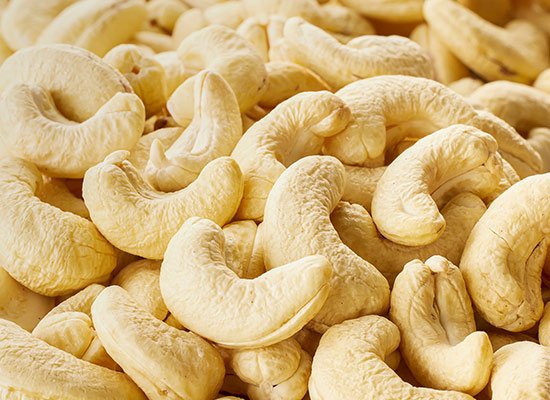
Cashews (Anacardium occidentale) are a popular type of nut known for their rich, buttery flavor and smooth texture. They are native to Brazil but are now grown in many tropical regions around the world, including India, Vietnam, and Africa. Cashews are consumed raw, roasted, salted, or used in a variety of recipes, both sweet and savory.
Health Benefits
Heart Health: The healthy fats in cashews, including omega-3 fatty acids, support heart health by reducing inflammation and promoting a healthy cholesterol balance.
Weight Management: Cashews, like other nuts, are calorie-dense, but they provide satiety due to their combination of healthy fats, protein, and fiber, which can help control appetite when eaten in moderation.
Brain Health: Cashews are rich in magnesium, which plays a role in cognitive function and may help with conditions like anxiety and depression.
Antioxidant Protection: The antioxidants in cashews help reduce oxidative stress in the body, protecting cells and tissues from damage caused by free radicals.
Common Uses of Cashews
Cashews are a versatile nut that can be enjoyed in a variety of ways. As a snack, they can be eaten raw, roasted, or salted, either on their own or mixed with other nuts and dried fruits. Cashew butter, made by grinding roasted cashews into a smooth spread, is a delicious alternative to peanut butter and can be used on toast, in smoothies, or in baking. For those looking for a dairy-free option, cashew milk is a great plant-based alternative, made by blending cashews with water, offering a creamy consistency ideal for beverages or recipes. Cashews also serve as a base for vegan cheese, where soaked cashews are blended with nutritional yeast, lemon juice, and seasonings to create a creamy, cheese-like texture. Cashew cream, another dairy-free option, is made by blending soaked cashews with water and is used as a substitute for heavy cream in vegan dishes like soups, curries, and desserts. In both baking and cooking, ground cashews add richness and depth to cakes, cookies, and pastries, while also enhancing savory dishes like curries and salads.