
Avni F&B Global Trade

Pulses

Heading-line

Urad Dal

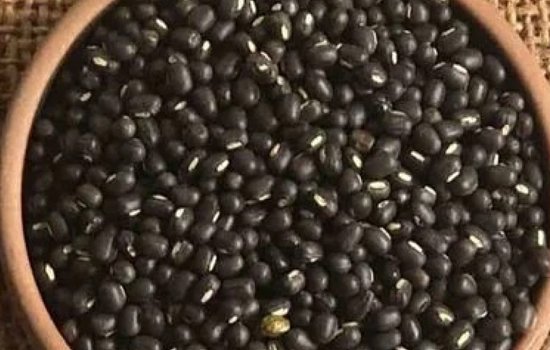
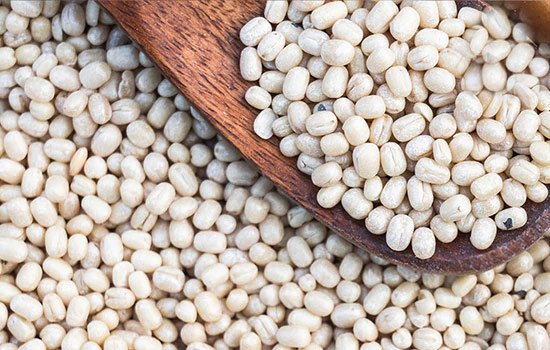
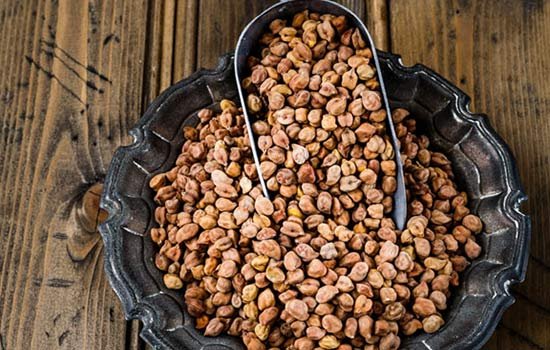
Urad Dal (also spelled as Urid Dal or Urad Daal) is a type of lentil commonly used in South Asian cuisine. It comes from the black gram (Vigna mungo) plant, and the seeds are small, black, and oval-shaped. When the black outer skin is removed, the inner part is white or cream-colored. It is often sold in split form, as whole urad dal or split urad dal.

Whole Urad Dal

These have a black skin and are used to make a variety of dishes such as soups, dals, and snacks.
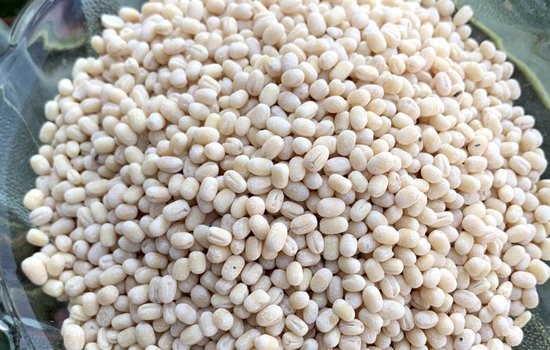
Split Urad Dal (without skin)

These are more commonly used in cooking as they cook faster and are easier to digest. They are commonly used for making dishes like dal makhani, idli, dosa, and vadas.
Health Benefits of Urad Dal:

High in Protein: Urad dal is an excellent source of protein, making it a valuable addition to vegetarian and vegan diets.

Rich in Iron: It is beneficial for individuals with iron deficiencies, helping in boosting hemoglobin levels.

High in Fiber: It supports digestion and helps regulate blood sugar levels.

Promotes Heart Health: Urad dal contains magnesium, potassium, and folate, which support heart health and lower cholesterol levels.

Urad dal is also used in traditional Ayurvedic medicine and is known for its warming and nourishing properties.

Chickpeas

Chickpeas, also known as garbanzo beans, are one of the most popular and versatile legumes used in cuisines worldwide, particularly in Mediterranean, Middle Eastern, and Indian dishes. They have a nutty flavor and a firm, creamy texture when cooked, making them a great ingredient in both savory and sweet dishes.

Types of Chickpeas

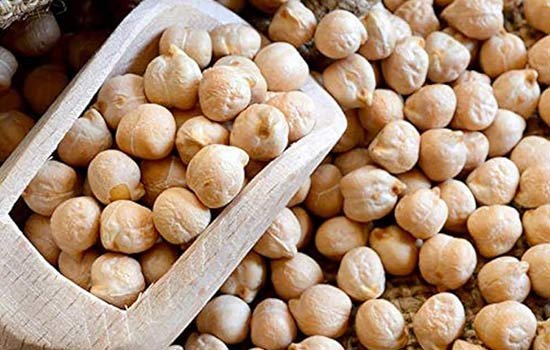
Desi Chickpeas

Smaller, darker, and more angular with a rougher coat. These are commonly used in Indian cooking.
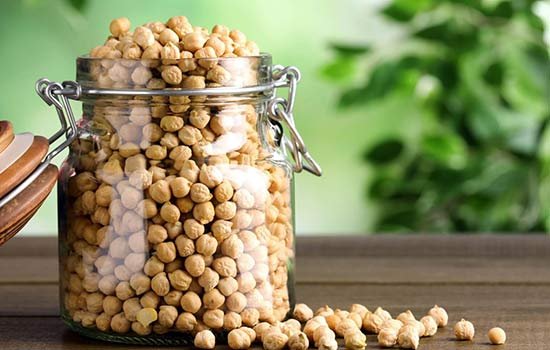
Kabuli Chickpeas

Larger, lighter in color (cream or pale yellow), and smoother in texture.
Health Benefits

Blood Sugar Regulation: The fiber and protein in chickpeas help slow down the absorption of sugars, keeping blood sugar levels stable. They are particularly beneficial for people with diabetes.

Improved Digestion: The high fiber content in chickpeas promotes a healthy digestive system and prevents constipation.

Bone Health: Chickpeas provide essential nutrients like calcium, magnesium, and phosphorus, which support bone strength and prevent conditions like osteoporosis.

Improves Skin Health: Chickpeas are rich in zinc, which helps in the maintenance of healthy skin and may help treat acne and other skin conditions.

Boosts Immunity: Chickpeas contain folate, iron, and other vitamins and minerals that support immune function.

Common Uses of Chickpeas

Chickpeas, also known as garbanzo beans, are incredibly versatile and feature prominently in many delicious dishes. One of the most well-known uses is in hummus, a popular Middle Eastern dip made by blending cooked chickpeas with tahini, olive oil, lemon juice, garlic, and spices. It’s typically served with pita bread or fresh vegetables. Another refreshing option is chickpea salad, which combines cooked chickpeas with fresh vegetables, herbs, and a tangy dressing, often enjoyed as a light meal or side dish. Chana masala, a flavorful Indian curry, uses chickpeas cooked with tomatoes, onions, and a blend of spices, usually served with rice or flatbreads like naan or roti. Falafel is another beloved dish, made by grinding chickpeas with garlic, herbs, and spices, then deep-frying the mixture into crispy balls or patties, commonly served in pita bread with salad and tahini sauce. Chickpeas also shine in chickpea stew, where they are combined with vegetables, legumes, and spices to create a hearty and wholesome meal. For a healthy snack, roasted chickpeas offer a crunchy treat, roasted with olive oil and spices until crispy. Finally, chickpea flour (or besan), ground from dried chickpeas, is a staple in Indian and gluten-free cooking, used in dishes like pakoras, dhokla, and cheela.

Masoor Dal

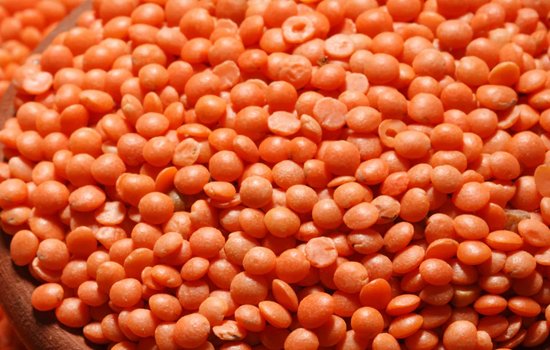
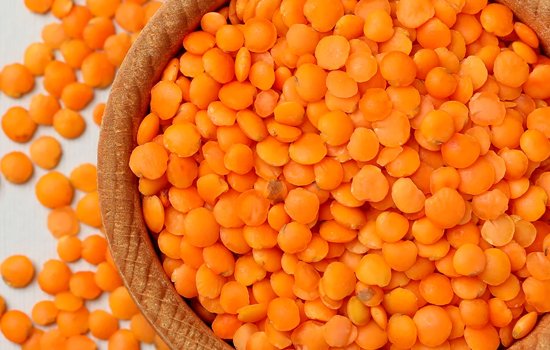
Masoor Dal (also known as Red Lentils) is a type of lentil that is commonly used in Indian and South Asian cuisine. These lentils are small, round, and orange to red in color. Masoor dal is typically split and has a smooth texture when cooked, making it ideal for soups, stews, and curries. Unlike other lentils, Masoor dal cooks very quickly and doesn’t require long soaking.

Whole Masoor Dal

These are the whole red lentils with their outer skin intact, which are brownish or reddish in color. These take a bit longer to cook compared to the split version.
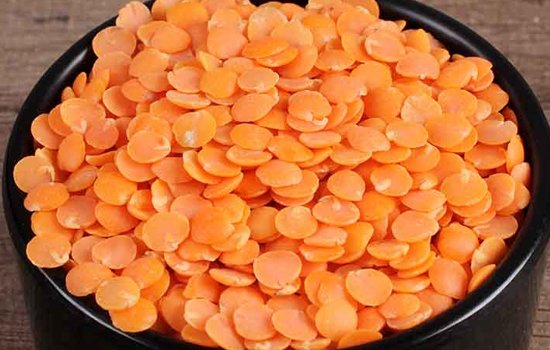
Split Masoor Dal

This is the more commonly used version in everyday cooking, and it is split and peeled. It is bright orange in color and cooks very quickly.
Health Benefits of Masoor Dal

High in Protein: Like other lentils, masoor dal is an excellent source of plant-based protein, which is great for vegetarians and vegans.

Rich in Fiber: It supports healthy digestion, regulates blood sugar levels, and keeps you feeling full for longer.

Good for Heart Health: Masoor dal is low in fat and contains cholesterol-lowering fiber, making it heart-healthy.

Rich in Iron: It helps in maintaining healthy red blood cells and preventing anemia, especially for those on plant-based diets.

Packed with Antioxidants: It contains compounds that help reduce inflammation and support overall health.

Scroll to Top